
Wills & Trusts
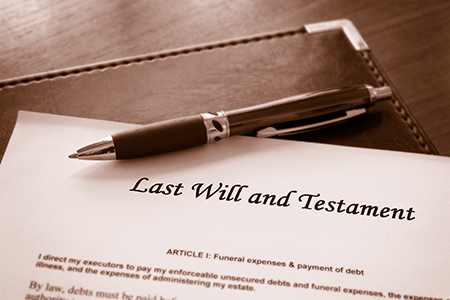 It’s never easy to talk about death. However, having a plan in place for when the time comes is necessary to ensure those you care about aren’t faced with the uncertainty of what will happen after you are gone. At Forget Law Group, we believe that estate planning is wise at any stage of your life.
Wills and trusts are two tools for estate planning that give you control during your lifetime to allow you to coordinate gifts and bequests. If you don’t have these legal protections in place, state law will dictate how to dispose of your property.
Wills and Trusts
Your will is a legal document declaring how you want your property passed to your loved ones when you die. There is no one-size-fits-all template when it comes to this important part of estate planning. In addition, you might use your will to set up a trust, a legal relationship in which a trustee holds property for the benefit of the beneficiary. Both wills and trusts come in many different forms. We will help ensure your will is valid and does what you want it to do.
The Benefits of a Will
Dying without a will is called intestate. Each state has intestacy laws to provide for the distribution of estate property of a person who dies without a will. The courts will appoint someone as the administrator to distribute your property in accordance with state laws. This can lead to additional costs that might end up being paid out of your estate before any property is distributed.
If you have minor children, a will also enables you to nominate a legal guardian. Whether you have a will-based or trust-based plan, it is important that your documents enable your trustees/property guardians and personal guardians to act in the best interest of your children in ways that are consistent with your wishes, directions and values.
Setting up a Will
While setting up a will is unique to your individual situation, most wills cover some common topics. These include:
- An executor can be anyone from your spouse or family member to an accountant or lawyer. It is best to talk to the person you choose and make sure they agree.
- Paying Debts and Funeral Expenses. Your estate is still liable for your debts after you die.
- Gifts of personal property. Carefully identify the person and the gift, which can include more than physical items, such as, insurance policies, bank accounts and stock options.
- Gifts of real estate. For example, if the family home isn’t in joint tenancy, you’ll have to detail what will happen to it.
- Residuary Clause. It is a crucial part that covers all assets not specifically mentioned in other parts of the will.
The Benefits of a Trust
There are many reasons why a trust is a helpful tool for ensuring assets are managed properly. For example, parents might use a trust to make sure their young children will benefit from their estate with a trustee acting to carry out their wishes the money be used for their education.
A living trust is set up while you are still alive, providing a resource if you become disabled. In addition, a trust can do some things a will can’t, like protect your privacy because it is confidential, speed up the transfer of assets to your beneficiaries after you die and avoid probate on assets held in the trust.
Setting up a Trust
It’s important to know there is more than one kind of trust. Most living trusts are revocable, meaning subject to change or termination. An irrevocable trust is difficult to change or terminate, but has considerable tax benefits and protects trust property from the creditors of the trust creator.
Finding a lawyer to help you with your estate planning can give you the peace of mind that your loved ones will be protected.